
Wayfinding Signage System
- * Signage Visions To Life
- * Signage Visions To Life
- * Signage Visions To Life
- * Signage Visions To Life
- * Signage Visions To Life
- * Signage Visions To Life
- * Signage Visions To Life
- * Signage Visions To Life
- * Signage Visions To Life
- * Signage Visions To Life
- * Signage Visions To Life
- * Signage Visions To Life
- * Signage Visions To Life
- * Signage Visions To Life
- * Signage Visions To Life
- * Signage Visions To Life
A cohesive, experiential, and seamless wayfinding system is essential to truly reflect the character of your site. It should integrate harmoniously with the architecture and landscape, align with the interior design, and elevate the overall visitor experience by capturing the desired atmosphere.
And we understand that achieving this requires precise specifications and drawings that bring your wayfinding strategy to life. That’s why we believe destiny brought us together—to empower you in realizing your wayfinding Signage System vision.

We ensure all Wayfinding signage system will be fabricated and installed per the approved shop drawings, following all the specifications for:
- Sign dimensions
- Sign body materials & thicknesses
- Joint types & welding specifications
- Fasteners cancellation
- Materials treatment, coatings, & finishes
- Color matching standards
- Layout & positioning of graphics and text
- Lighting source type & effects
- Mounting methods

- * Signage Visions To Life
- * Signage Visions To Life
- * Signage Visions To Life
- * Signage Visions To Life
- * Signage Visions To Life
- * Signage Visions To Life
- * Signage Visions To Life
- * Signage Visions To Life
- * Signage Visions To Life
- * Signage Visions To Life
- * Signage Visions To Life
- * Signage Visions To Life
- * Signage Visions To Life
- * Signage Visions To Life
- * Signage Visions To Life
- * Signage Visions To Life
We are committed to the quality and timely delivery of all materials, items, and workmanship required for the execution of the Project. With over 20 years of experience in the signage industry, we bring extensive knowledge and field experience to every project.
Our portfolio includes prestigious wayfinding signage system projects such as Capital Park, Borg Al-Arab Airport, Le Meridien Hotel, Rotana Hotel, and many more. Our team is equipped with skilled craftsmen and the necessary physical labor to ensure the production of high-quality products, complete fabrication, and installation within the agreed timeframe.
All of this is done under the inspection of reputable consultants such as JLL, Dar, EHAF, and ECG, ensuring that all standards and specifications are met.
A few of the clients who have trusted us

Ready to bring your wayfinding signage system to life? Contact us at info@elbadrli.com or call +201286004413 to speak directly with one of our experts and get started today.
Wayfinding Signage System: A Comprehensive Guide to Be the Guide

Wayfinding Signage Systems
Definition of Wayfinding
Wayfinding is the inherent human ability to orient and navigate through physical spaces. It encompasses the cognitive processes involved in understanding and following a path, often assisted by environmental cues and, most importantly, by wayfinding signage systems.
Importance of Effective Wayfinding
In a world characterized by intricate urban landscapes and complex architectural designs, the significance of effective wayfinding cannot be overstated. It not only enhances the overall user experience but also plays a crucial role in safety, accessibility, and the efficient utilization of space.
Significance of Wayfinding Signage Systems
Wayfinding signage systems serve as the unsung heroes of navigation, providing visual cues that guide individuals seamlessly through spaces. These systems are designed not only to direct but also to communicate the essence of a place, integrating functionality with aesthetics.
Historical Perspective
Evolution of Wayfinding
The evolution of wayfinding is deeply rooted in the human need for orientation and exploration. From ancient civilizations using landmarks to intricate maps in the Middle Ages, the journey to modern wayfinding signage systems has been marked by innovation and adaptation.
Traditional Navigation Methods
Before the advent of standardized signage, individuals relied on natural landmarks, celestial bodies, and cognitive mapping to navigate their surroundings. These traditional methods laid the foundation for the conceptualization of effective wayfinding.
Emergence of Wayfinding Signage
The Industrial Revolution and the rise of urban planning brought about a need for more structured navigation systems. This led to the development of early wayfinding signage, initially simplistic but evolving over time to accommodate the growing complexity of modern environments.
The Psychology of Wayfinding
Cognitive Mapping
Cognitive mapping is the mental process through which individuals create a mental representation of their environment. Wayfinding signage taps into this innate ability, providing visual cues that align with users’ mental maps, facilitating a seamless navigation experience.
Spatial Awareness
Understanding one’s position in space is crucial for effective navigation. Wayfinding signage not only directs users but also enhances spatial awareness, helping individuals build a coherent mental picture of their surroundings.
Human Behavior and Decision Making
The design of wayfinding signage takes into account human behavior and decision-making processes. By strategically placing signs and employing intuitive design principles, signage systems can influence user decisions, promoting efficiency and reducing the likelihood of confusion.
Components of a Wayfinding Signage System
Signage Types and Varieties
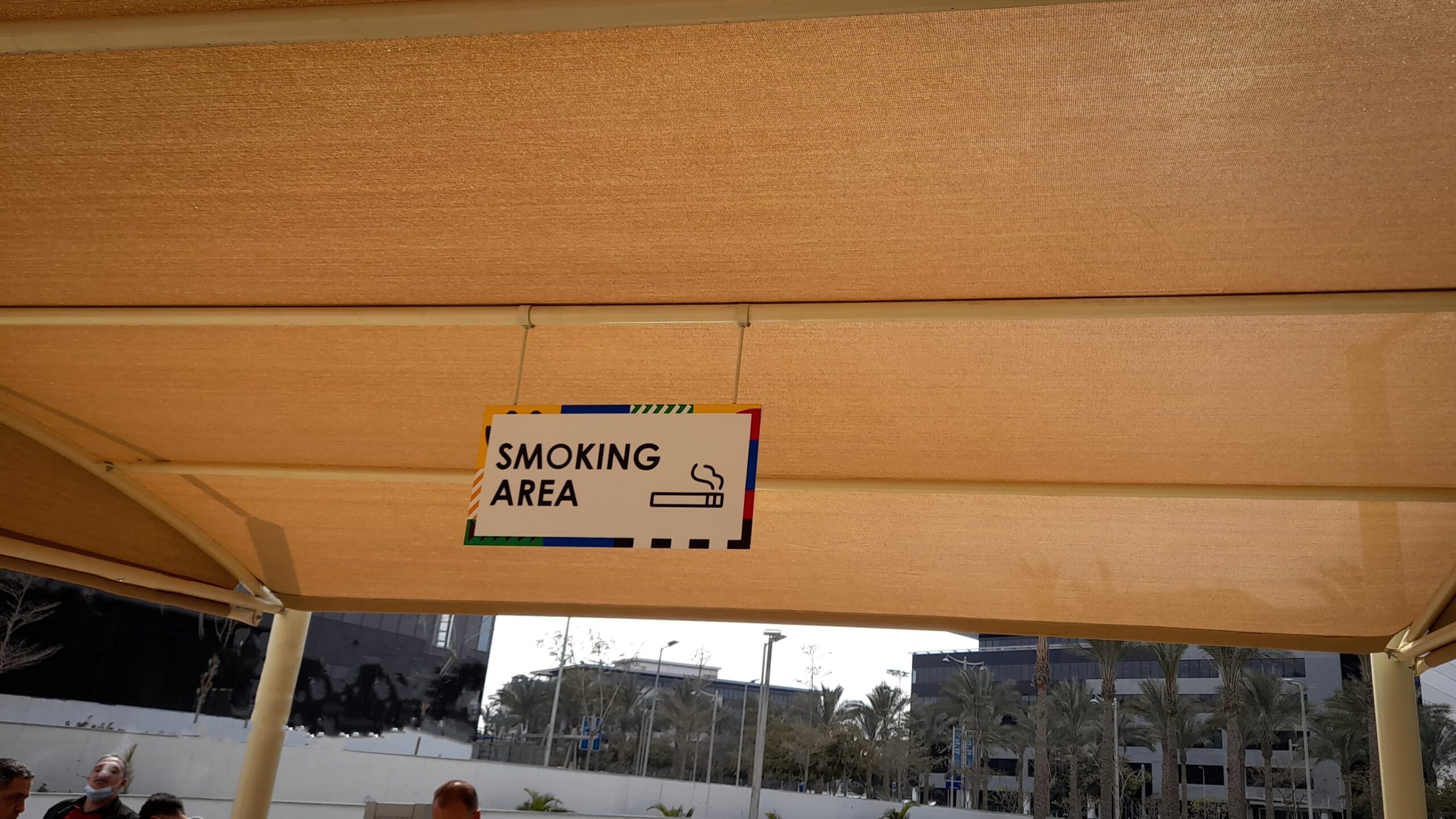
Wayfinding signage comes in various types, each serving a unique purpose in the navigation ecosystem. Directional signs guide individuals along paths, identification signs mark specific locations, and informational signs provide details about points of interest. The diversity in signage types allows for a comprehensive and tailored approach to guiding users.
Materials and Manufacturing
Quality materials are the backbone of durable and effective wayfinding signage. Signage facilities play a pivotal role in selecting materials that withstand environmental factors while maintaining aesthetic appeal. The manufacturing process involves precision and craftsmanship, ensuring each sign is not only functional but also a testament to the facility’s dedication to quality.

Design Principles
Legibility and Visibility
Legibility is a cornerstone of effective wayfinding signage. The choice of fonts, colors, and sizes must align with principles of legibility to ensure that information is easily digestible, even at a glance. Visibility, both in terms of physical placement and contrast with the environment, further enhances the practicality of signage.
Consistency in Design
Consistency in design is paramount for a cohesive wayfinding experience. A unified visual language across all signage elements fosters familiarity and reinforces the reliability of the system. Consistency also aids in creating a brand identity for the space.
Placement and Hierarchy
Strategic placement of signage and clear hierarchy are essential for guiding users through spaces seamlessly. Understanding the flow of foot traffic and the hierarchy of information helps signage facilities create a system that intuitively caters to the needs of the users.
Strategic Placement
In the symphony of Wayfinding Signage Systems, the strategic placement of signs orchestrates a seamless navigation experience, ensuring users traverse spaces effortlessly.
– Understanding Foot Traffic Flow:
Strategic placement begins with an in-depth analysis of foot traffic patterns. By comprehending how individuals naturally move within a space, signage facilities can position directional signs at key junctions, minimizing confusion and maximizing efficiency.
– Hierarchical Signage Arrangement:
Establishing a clear hierarchy in signage is akin to creating a roadmap for users. Priority is given to essential information, guiding users intuitively. Identification signs for specific locations are strategically positioned for immediate recognition, while directional signs seamlessly weave into the user’s journey.
– Environmental Integration:
Signs strategically integrated into the environment become seamless wayfinding companions. Whether subtly integrated into architectural elements or prominently displayed at decision points, signage must complement the surroundings to enhance visibility and align with the aesthetic appeal of the space.
– Responsive Signage Placement:
Dynamic spaces require dynamic signage. By adapting to the fluid nature of environments, responsive signage can guide users through ever-changing conditions, addressing challenges posed by varying lighting, weather, or temporary architectural modifications.
– Emergency Preparedness:
Safety is paramount, and strategically placed emergency exit signs ensure occupants can swiftly navigate to safety during critical situations. These signs are positioned for immediate visibility, providing a clear path to escape in any circumstance.
– Technology Integration:
In the digital age, the strategic integration of technology enhances wayfinding. Digital signage or interactive displays strategically positioned at key points can provide real-time information, further assisting users in making informed decisions about their route.
Benefits of Effective Wayfinding Signage Systems
Enhanced User Experience
Effective wayfinding contributes significantly to the overall user experience. Navigating a space becomes a positive and stress-free endeavor, fostering a sense of confidence and satisfaction among users.
Improved Safety and Security
Well-designed signage is not only about convenience but also about safety. Properly guided paths and clear emergency exit signs contribute to the overall safety and security of occupants in a given space.
Increased Accessibility
Wayfinding signage plays a crucial role in making spaces accessible to all individuals, regardless of their physical abilities. Signage facilities must consider universal design principles to ensure inclusivity in navigation.
Efficiency in Navigation
Efficiency is a key benefit of a well-executed wayfinding signage system. Users can reach their destinations more quickly and with fewer obstacles, optimizing the use of space and resources.
Challenges in Wayfinding Signage
Environmental Factors
Navigating diverse environments poses challenges for wayfinding signage. Factors such as varying lighting conditions, weather, and architectural complexity can impact the effectiveness of signage. Addressing these challenges requires a nuanced understanding of the environment and strategic signage placement.
User Diversity and Accessibility
Ensuring that wayfinding signage accommodates users with diverse needs is essential. Signage facilities should consider factors such as language diversity, cultural sensitivity, and accessibility requirements to create a universally inclusive navigation system.
Maintenance and Longevity
The longevity of a wayfinding signage system depends on its ability to withstand wear and tear. Signage facilities must not only focus on the initial manufacturing process but also consider ongoing maintenance to ensure the continued effectiveness of the system.
Collaboration in Signage Manufacturing
Interdisciplinary Approach
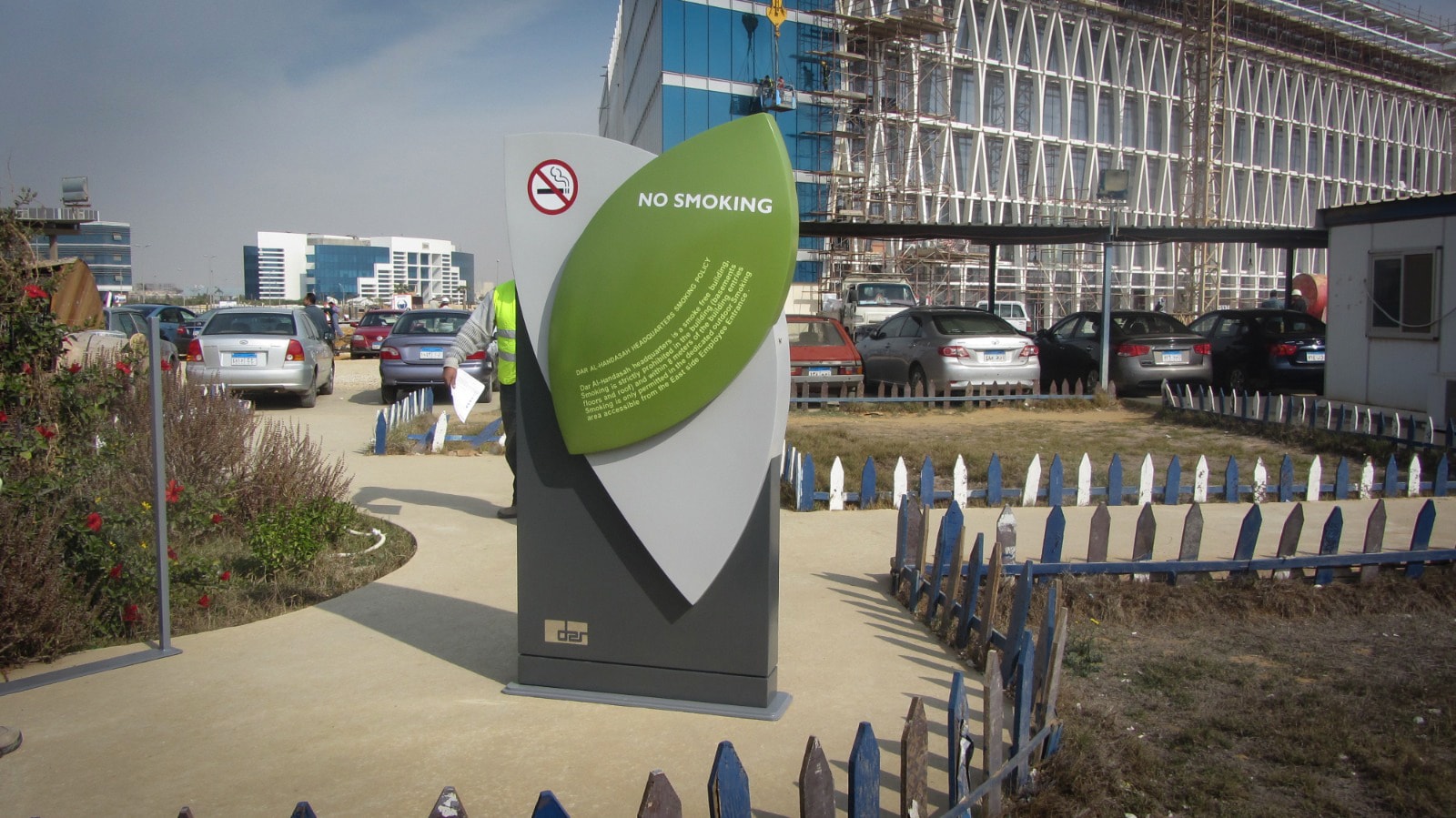
The production of wayfinding signage involves collaboration between various disciplines. Designers, architects, and manufacturing experts must work in tandem to create a system that seamlessly integrates with the overall aesthetic and functional goals of a space.
Importance of Collaboration with Architects and Designers
Collaboration with architects and designers is crucial in the early stages of space planning. Integrating signage considerations into the initial design process ensures that the final product aligns seamlessly with the architectural vision while meeting the practical needs of users.
Sustainability Considerations in Manufacturing
In an era where sustainability is a key concern, signage facilities must prioritize eco-friendly materials and manufacturing processes. Balancing functionality with environmental responsibility contributes to the overall positive impact of wayfinding signage systems.
In conclusion, the depth and complexity of wayfinding signage systems go beyond mere directional guidance. They are integral components of the user experience, safety, and efficiency within physical spaces.
