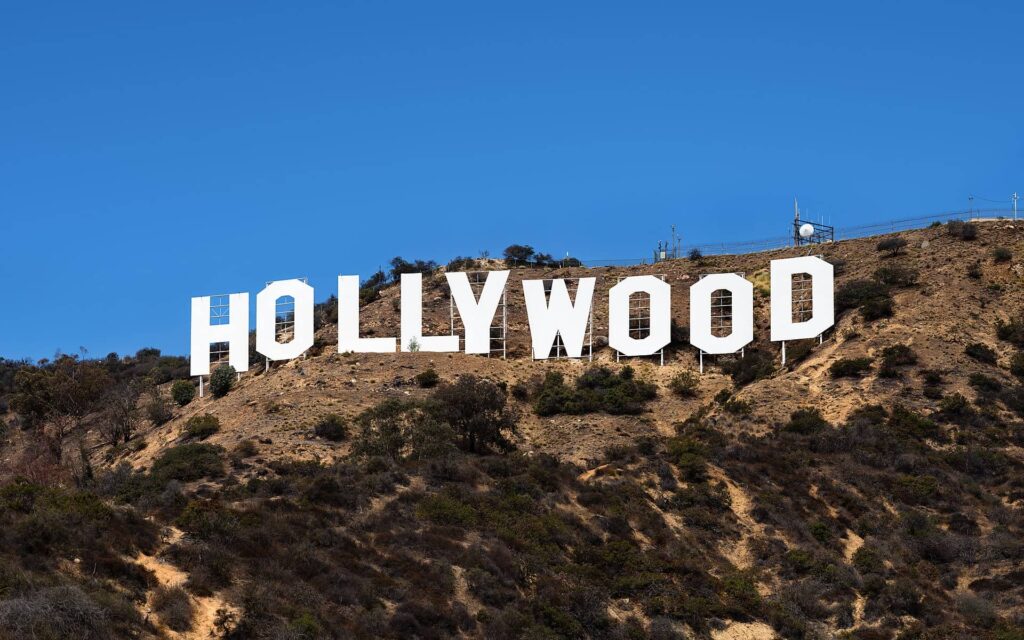
What do we mean by Signage?
We can call them Silent communicators, brand ambassadors, wayfinders – Effective signage can be all of these things and more, but to break it down, signage simply refers to any kind of visual graphic display used to communicate information.
These information can serve various purposes: it can be directional, leading people to particular places; informational, offering detailed guidance or instructions; or identificational, naming or labeling entities. Signs can also be powerful branding tools, convying a specific image or message associated with a company or organization.
Signs can be as simple as an arrow on a wall or as complex as interactive digital displays. They come in all shapes, sizes, and materials, and can be used indoors or outdoors
So, what are the functions of these Signages?
Signage serves a variety of functions, each designed to communicate specific information to the viewer. Here are the main functions of signage:
-
Information Provision: Signage provides information about services, facilities, and other relevant details. This can include maps, directories, instructional signs, or interpretive signage used in museums, galleries, zoos, parks, gardens, exhibitions, and tourist and cultural attractions.
-
Direction/Navigation: Also known as wayfinding, signage guides customers or visitors from one location to another, indicating the safest and most convenient routes and labeling buildings and departments. This is particularly useful for businesses located in complex areas or large facilities such as hospitals and universities.
-
Persuasion: Signage can be used for promotional purposes, persuading viewers about the relative merits of a company, product, or brand. This includes advertising sales, new products, or special events, and ultimately influences behavior, such as recycling signs for example.
-
Aesthetic Enhancement: Some signage is designed purely to enhance the overall appeal of a space. This can include frosted glass window graphics, wall murals, floor graphics, or custom designs and mockups that add to the visual appeal of a location.
-
Safety and Regulation Compliance: Signage promotes traffic safety by notifying motorists of their location and assisting their entry to premises. It is also used to comply with safety regulations, such as health and safety signage on construction sites and in hospitals, or ADA-compliant signage for accessibility.
-
Brand Visibility and Recognition: Signage increases brand visibility and awareness. A well-placed sign can make others aware that a business exists, even if it’s not immediately visible from the street. It also supports media advertising efforts by displaying trademarks or logos.
-
Special Announcements: Temporary signage calls attention to “specials” or temporary events, such as sales, limited-time offers, or special occasions.
-
Creating a Memorable Brand Experience: Signage helps establish a strong brand identity, reflecting the brand’s personality and creating a cohesive and memorable atmosphere. By combining aesthetics and functionality, signage can enhance the customer experience and create a positive association with the brand.
Signs Don’t Just Point the Way, They Inform, Persuade, and Beautify Our World.
Remember, the effectiveness of signage depends on its design and placement. It should be easily readable, concise, and placed in a prominent spot for maximum impact.
Signs can be more than just passive information providers. Think beyond the literal message and consider the potential impact. Imagine the Hollywood sign—it’s a landmark, a cultural symbol, and instantly recognizable. With a little creativity and effort in your branding, your signage can achieve the same level of impact for your clients.