
Imagine yourself navigating a city without any signs. Chaos, confusion, and missed opportunities would be everywhere. Getting out of a metro station would be a challenge – trial and error, or maybe asking someone for directions, might be your only options.
Brief Overview
Signs are a crucial part of our daily lives, often working behind the scenes yet playing a critical role in our routines. From guiding us through complex road networks to ensuring our safety in public spaces, signs are indispensable. This article explores why signage is so important, focusing on navigation, safety, commerce, information sharing, and even our emotions and behaviours.
Signage Influence in Daily Life
Navigation
Think about the last time you drove somewhere new or took public transport. Road signs, metro station signs, and directional arrows in large buildings help us reach our destinations efficiently. Without these signs, you’d be lost and probably frustrated. Signs simplify our journeys, reduce confusion, and save us time.

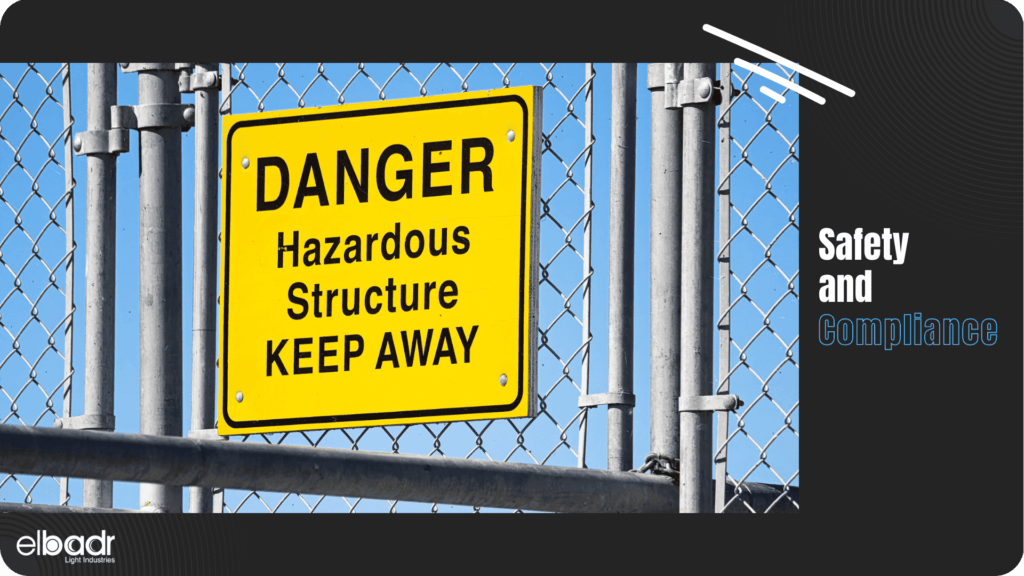
Safety and Compliance
Safety signs are crucial in workplaces, public areas, and during emergencies. They warn us about potential hazards, show us emergency exits, and tell us how to stay safe. For example, in a factory, safety signs can mean the difference between staying safe or getting hurt by dangerous machinery or hazardous materials.
Commercial Impact
In the business world, signs are powerful tools for attracting customers and making shopping easier. Eye-catching storefront signs draw you in, while clear in-store signs help you find what you need. Good signage can increase foot traffic, boost sales, and make your shopping experience more enjoyable and easier.

Information Dissemination
Signs are a quick and effective way to share important information. Whether it’s a “No Parking” sign, a construction alert, or a public health notice, signs communicate important messages quickly and efficiently, helping you make informed decisions.

Psychological Impact
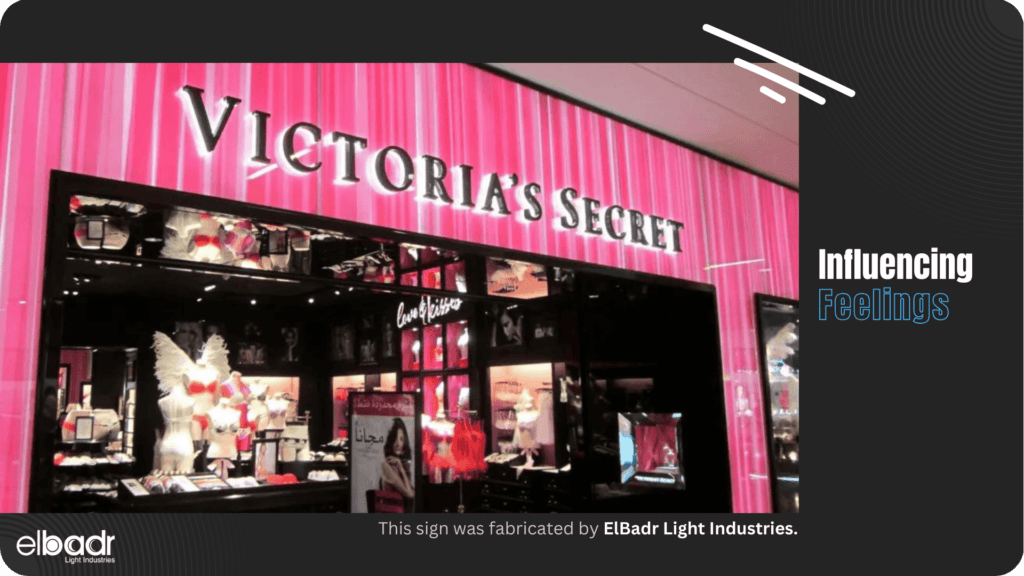
Influencing Feelings
Signs can set the tone and atmosphere of a place, influencing your feelings and perceptions. For example, well-designed signs in a hospital can create a sense of calm and reassurance, while vibrant and creative signs in a shopping district can make you feel excited and curious. This is also how big brands convey their identity in the real world; they try to communicate their character through every element they can control, from their logos to the typography and colors used in their signage. Effective signage is a powerful way for brands to express their personality and values, creating a consistent and immersive experience for you.
Influencing Expectations
The condition of signs also affects your expectations about a brand or place. A cracked or dirty sign can suggest neglect and lower your expectations, while clean and well-maintained signs can enhance your perception of quality and reliability.

Behavioral Influence
Signs significantly affect your behavior and decisions based on how they influence your feelings and expectations. For instance, when signs create a positive atmosphere and set high expectations, you’re more likely to make healthier choices, engage in safer behaviors, and act more efficiently. Promotional signage, for example, can lead you to explore new products or make purchasing decisions you might not have considered otherwise. Effective signage can nudge you towards making decisions that benefit you and enhance your overall experience.

Summary
Signs play a vital role in our daily lives, guiding us through complex environments, ensuring our safety, enhancing our shopping experiences, and sharing important information. They also influence our behavior, shape our feelings, and set our expectations.
